
Best Enzyme Detergents for Athletic Wear and Synthetics in 2026
17th April 2026
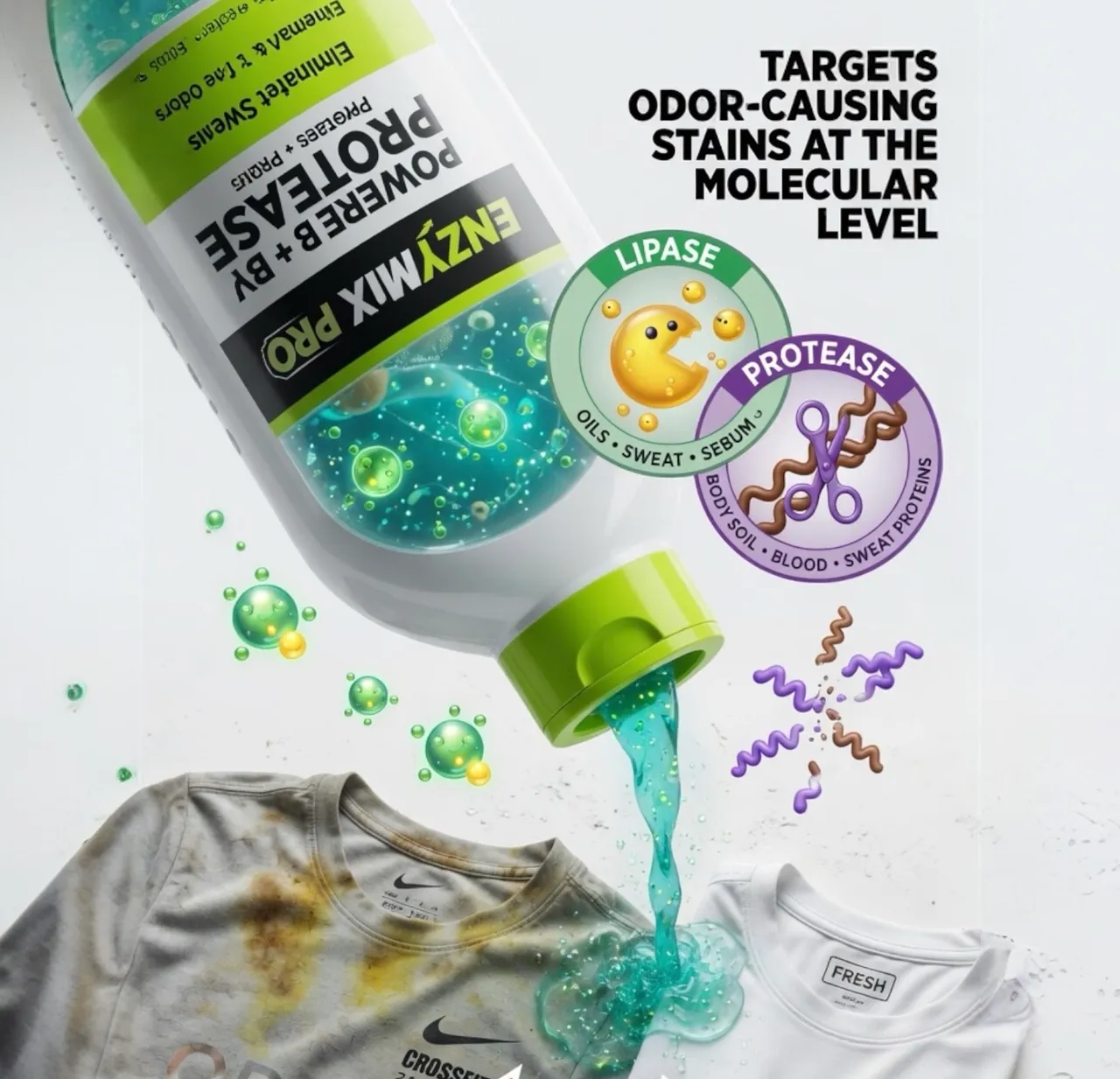
The runner yanked her favorite $110 leggings from the dryer and immediately wrinkled her nose. Another wash, another failure. The fabric still carried that sour, baked-in gym funk no amount of regular detergent or extra rinse cycles could erase. She wasn’t alone. Millions of athletes, yogis, and weekend warriors face the same frustration: polyester, nylon, and spandex blends that wick moisture brilliantly during a workout become stubborn odor magnets afterward. The culprit is body oil and sweat residues trapped deep in hydrophobic fibers. The solution, according to textile scientists and 2026 testing labs, lies in enzyme-powered detergents engineered specifically for synthetics.
Enzymes are the quiet heroes of modern laundry
Lipases target fats and sebum — the oily compounds that polyester loves to hoard — breaking them into smaller, water-soluble pieces that rinse away cleanly. Proteases tackle the proteins in sweat and body soils that feed odor-causing bacteria. Amylases and other supporting enzymes handle starches and residues from food or deodorant. Unlike traditional surfactants in regular detergents, which are designed mainly for cotton and often leave a thin film on synthetics, these biological catalysts penetrate the tight weave of performance fabrics without buildup.
The result: odors are eliminated at the source rather than masked, and fabrics retain their wicking channels, stretch, and shape far longer. When paired with cold-water washing — as detailed in our companion piece, “The Science of Cold-Water Washing: Why It’s Better for Your Clothes, Your Wallet, and the Planet” — these formulas deliver superior cleaning while preserving elasticity and reducing microfiber shedding.
Here are the standout enzyme detergents for athletic wear and synthetics in 2026, based on independent lab tests, consumer reports, and real-world athlete feedback from sources including Treeline Review, Garage Gym Reviews, The Spruce, and Wirecutter.
HEX Performance Laundry Detergent
Hex remains the specialist gold standard. Formulated by a former pro lacrosse player frustrated with standard detergents, it uses a concentrated blend heavy in lipases and proteases that penetrate synthetic fibers to lift embedded sweat oils. Treeline Review’s 2026 sports-detergent tests named it the top performer for removing “baked-in” odors from performance fabrics, often reviving garments that smelled permanently funky.
Pros: truly neutral scent (no masking fragrances), no residue on technical fabrics, works exceptionally well in cold water.
Cons: higher cost (around $0.36–$0.40 per load) and limited availability in some retailers. Athletes consistently report it as “life-changing” for leggings, sports bras, and base layers.
Dirty Labs Bio Enzyme Laundry Detergent Free & Clear
Earns high marks for eco-conscious athletes. Its proprietary Phytolase enzyme technology is EWG-verified and Leaping Bunny certified, using plant-derived enzymes that excel at odor elimination in polyester and spandex. Wirecutter’s 2026 testing praised it for rivaling big-name brands on stains and odors while being far gentler on the environment.
Pros: excellent in cold water, concentrated formula (22–46 cents per load), biodegradable, free of dyes and irritants.
Cons: slightly less aggressive on heavy protein stains than HEX for extreme athletes. Perfect for those who want performance without compromising sustainability.
Tide Plus Febreze Sport Odor Defense
Offers mainstream power at an accessible price. This formula boosts standard Tide enzymes with additional odor-fighting technology aimed at workout gear. Multiple 2026 reviews from Garage Gym Reviews and The Quality Edit highlight its ability to keep synthetic clothes smelling fresh three times longer than regular Tide.
Pros: widely available, strong on sweat and body oils (~$0.44–$0.51 per load), HE-compatible pods or liquid.
Cons: contains fragrance (though effective at neutralizing rather than just masking) and is less specialized for ultra-technical fabrics than the boutique options. A solid everyday choice for high-volume athletic households.
Persil Activewear Clean Liquid Detergent
The newer dedicated contender. Launched with a concentrated enzyme blend tailored for gym clothes, it targets sweat residues and odors without extra boosters. Apartment Therapy and user testing in 2026 called out its ability to handle smelly pieces in a single cold-water wash.
Pros: powerful on both stains and funk, pleasant fresh scent that doesn’t linger heavily, competitive pricing.
Cons: stronger fragrance than fragrance-free options, which some sensitive users dislike. Excellent for mixed athletic and everyday loads.
Molly’s Suds Activewear Detergent
Rounds out the list for plant-based enthusiasts. This powder uses natural enzymes and sea salt to lift sweat and oils from synthetics. The Spruce’s 2026 workout-clothes guide noted its effectiveness at removing body-oil buildup while being gentle on performance fabrics.
Pros: eco-friendly, concentrated powder format reduces packaging waste, affordable for the performance level.
Cons: requires full dissolution in cold water (best with a pre-dissolve step). Ideal for those prioritizing clean ingredients.
Buying guide essentials
- Look for formulas listing lipase and protease prominently (or “multi-enzyme” or “bio-enzyme” technology).
- Prioritize HE-compatible, low- or no-residue options explicitly labeled for cold water and synthetics.
- Check for free-and-clear versions if you have sensitive skin or prefer no fragrance.
- Concentrated liquids or pods reduce plastic waste; powders can be more sustainable but need proper dissolving.
- Price per load matters less than longevity — a good enzyme detergent can extend garment life by months, saving money overall.
How to use them with cold water (the winning combination):
Follow the routine in our main article, “Athletic Wear and Performance Fabrics: Keeping Moisture-Wicking Gear Fresh Without Breaking It Down.” Turn garments inside out, use the recommended dose (less is often more with concentrates), wash on cold/gentle, and air-dry when possible. For stubborn odors, add a 30-minute vinegar pre-soak before the main cycle. These detergents shine brightest in cold water because their enzymes are optimized for low temperatures — heat can actually deactivate some lipase activity or set residues deeper into fibers.
Beyond performance, these enzyme formulas support a lighter environmental footprint. By effectively cleaning in cold water, they cut energy use dramatically (up to 90 percent per load compared with hot cycles). Many are now concentrated or plant-based, reducing water and plastic in packaging. And because they help athletic wear last longer, they slow the cycle of replacement — a meaningful win when synthetic microplastics are a growing concern in waterways.
The frustrated runner who started this story switched to HEX Performance after one too many disappointing loads. Within two washes, her leggings emerged neutral-smelling and ready for the next run.
The right enzyme detergent doesn’t just clean — it restores the joy of slipping into gear that feels as fresh as the day you bought it. In 2026, with advanced lipase and protease blends widely available, there’s no reason to settle for lingering funk or faded performance.
Pair the right formula with cold-water habits, and your synthetics will thank you — wash after wash, mile after mile.
Frequently Asked Questions
What makes an enzyme detergent better for athletic wear than regular detergent?
Enzymes like lipase and protease specifically break down the body oils and sweat proteins that polyester traps; regular detergents often leave residue that feeds odor-causing bacteria.
Can these detergents be used in cold water?
Yes — most modern enzyme formulas are optimized for cold or cool cycles and actually perform better without heat, which can degrade spandex and set stains.
Is HEX Performance worth the higher price?
For dedicated athletes with high-end synthetics, yes. Independent 2026 tests show it outperforms others at removing embedded odors that regular detergents miss.
Do any of these options work for non-athletic laundry too?
Absolutely. Dirty Labs, Tide Sport, and Persil formulas handle everyday loads well; many users rotate them for mixed family laundry.
How do enzyme detergents help sustainability?
They enable effective cold-water cleaning (saving energy), extend garment life (reducing replacements), and many use concentrated or plant-based formulas with less packaging waste.
About Us
The team at Clean Shirt Co. Laundromat are laundry specialists with deep expertise in fabric care, performance synthetics, and efficient laundry systems for both everyday households and high-turnover Airbnb properties. Drawing from years of hands-on testing, scientific research, and real customer feedback, we create clear, actionable guides that help readers solve stubborn laundry problems while saving time and money. Located in Eau Claire, Wisconsin, we personally test every recommendation before sharing it.
Latest Blog Posts
The UWEC Student's Guide to Laundry Day (Yes, It Can Be Easy)
Laundromat near UW-Eau Claire — a 4-min drive or 10-min walk from campus. Credit card-accepted machines, large loads for comforters, open from 6 AM until 11 PM daily. Always staffed. Everything Blugolds need to know about laundry day.
25th August 2026
White Glove Laundry Service in Eau Claire
Looking for a dry cleaning alternative in Eau Claire? Discover Clean Shirt Co.’s White Glove Laundry Service for dress shirts, dresses, formalwear, and uniforms.
5th August 2026
Dry Cleaners Eau Claire | Clean Shirt Co. White Glove Laundry Service
Searching for dry cleaners in Eau Claire? Clean Shirt Co. offers a dry cleaning-equivalent alternative with White Glove Laundry Service for dress shirts, dresses, wedding gowns, and formal garments. Drop-off ready in 3 business days or less.
4th August 2026
What We Wash in Our Drop-Off Laundry Service | Clean Shirt Co.
See what you can bring to Clean Shirt Co.’s wash-dry-fold drop-off laundry service in Eau Claire, including everyday clothes, towels, linens, and bedding, plus tips for best results.
2nd August 2026
What to Expect When You Drop Off Laundry at Clean Shirt Co.
Curious what happens after you drop off laundry? Clean Shirt Co. in Eau Claire explains exactly how our wash-dry-fold service works from check-in to pickup, so you know what to expect every time.
2nd August 2026