
The Science of Cold-Water Washing: Why It’s Better for Your Clothes, Your Wallet, and the Planet
17th April 2026
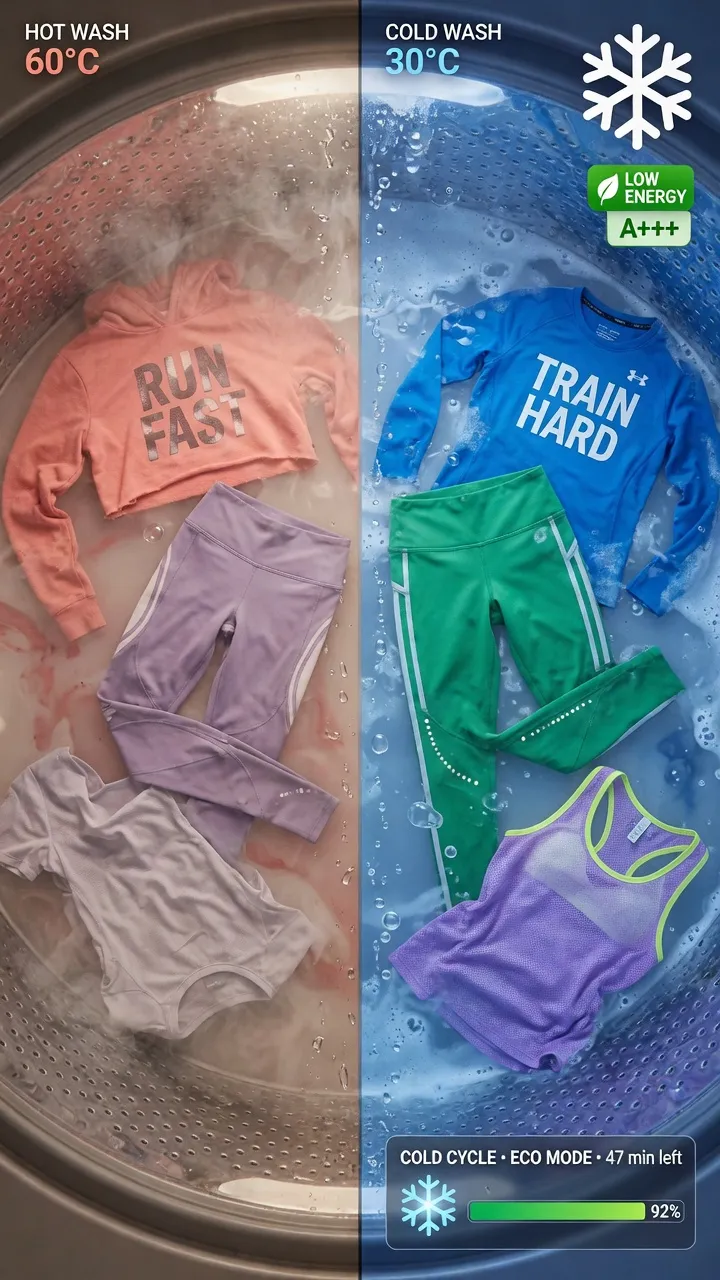
It’s a familiar scene in households everywhere: a overflowing laundry basket, a washer dial turned to “warm” or “hot” out of habit, and the quiet assumption that hotter water means cleaner clothes. Yet for many — runners pulling faded leggings from the dryer, parents noticing shrunken kids’ T-shirts, or anyone wondering why their favorite sweater lost its shape — the results tell a different story. The real surprise? Switching to cold water often delivers better outcomes for fabrics, lower utility bills, and a noticeably lighter environmental footprint.
The science behind cold-water washing is straightforward once you look past old assumptions. Modern detergents rely on enzymes — lipases that break down fats, proteases that tackle proteins, and amylases that handle starches — engineered to activate efficiently at low temperatures. These biological catalysts evolved from cold-adapted organisms and outperform older heat-dependent formulas in many real-world loads. Heat, by contrast, can set stains, accelerate dye fading, and weaken fibers through repeated thermal stress. For performance fabrics especially, temperatures above about 86°F (30°C) begin to degrade the elasticity of spandex and elastane, causing sagging, loss of compression, and reduced wicking ability.
The environmental payoff is equally compelling.
Up to 90 percent of the energy consumed by a washing machine goes toward heating the water. According to data from the American Cleaning Institute and the Sierra Club, switching a typical household to cold-water washing can cut carbon dioxide emissions by roughly 1,600 pounds per year — the equivalent of taking a car off the road for several weeks. ENERGY STAR-certified machines amplify these gains, but the temperature setting itself delivers the biggest single change.
One of the most striking benefits involves microfiber pollution, a growing concern for synthetic athletic wear and everyday polyester blends. A landmark 2020 study by Neil J. Lant and colleagues at Procter & Gamble, published in PLOS ONE, examined real soiled consumer laundry loads. Researchers found that shifting from a conventional 40°C (104°F) 85-minute cycle to a colder, quicker 15°C (59°F) 30-minute cycle reduced microfiber release by 30 percent. The same change also cut whiteness loss from dye transfer and soil redeposition by 42 percent. In other words, cold and short not only sheds fewer microplastics into waterways but keeps clothes looking newer longer.
Textile experts have long observed similar patterns with stretch fabrics. Heat causes elastane fibers to lose their snap over time; cold water preserves the polymer structure, extending garment life by months or even years.
Major brands have quietly updated their care labels to reflect this reality. Nike recommends cold water on the gentle cycle for Dri-FIT items, often suggesting a vinegar pre-soak for odors. Lululemon advises cold washes and explicitly warns against anything that could coat fibers. Patagonia encourages washing less often in cool or warm water and line drying whenever possible. The shared message from apparel engineers is clear: treat technical fabrics gently, and they reward you with extended performance.
Laundry specialists echo the data. Researchers at the University of Leeds, in work supported by Procter & Gamble, concluded that quicker, cooler cycles minimize color loss and fabric wear compared with longer hot washes. Drew Westervelt of HEX Performance, who has spent years formulating detergents for synthetics, notes that modern enzyme systems simply don’t need heat to do their job — and that avoiding it prevents the very breakdown consumers complain about. These voices align with broader sustainability research showing that cold-water routines reduce both household energy demand and the need to replace clothes prematurely.
Translating the science into a reliable routine is simpler than many expect. Sort loads by color and soil level, then wash in cold or cool water on the gentle or quick cycle. Use a detergent formulated for low-temperature performance — one rich in enzymes that target sweat, oils, and everyday grime. For athletic wear or heavily soiled items, a brief pre-soak in a one-to-four vinegar-to-cold-water solution can loosen residues without heat. Wash full but not overloaded loads to reduce agitation and water-to-fabric ratio, which further lowers microfiber release. Skip fabric softeners, which can leave residues and impair wicking. Air-dry whenever possible, or use low heat and remove items promptly. [Best Enzyme Detergents for Athletic Wear and Synthetics]
Several persistent myths still discourage the switch. The most common is that hot water “kills everything” and cleans better.
In truth, most household laundry does not require sanitizing temperatures; modern enzymes handle soils effectively in the cold, and any remaining bacteria are largely eliminated in the dryer or by line-drying in sunlight. Another myth claims cold water sets stains. Actually, hot water can lock certain protein or tannin stains in place, while cold water keeps them soluble and easier to remove. And while some worry that cold washes leave clothes less fresh, real-world testing shows the opposite when the right detergent is used.
The bigger picture is one of quiet leverage. Every load washed in cold water trims energy use, cuts carbon emissions, and sends fewer microplastics downstream. For those who own moisture-wicking athletic gear, the habit pairs perfectly with the care routines outlined in our companion piece, “Athletic Wear and Performance Fabrics: Keeping Moisture-Wicking Gear Fresh Without Breaking It Down.” Combining cold washes with enzyme detergents designed for synthetics creates a virtuous cycle: clothes last longer, perform better, and cost less to maintain over time.
Emerging innovations — from washing-machine filters that capture microfibers to next-generation bio-based detergents that work even more efficiently in the cold — promise further gains. Yet the most powerful tool remains the simplest one already inside your laundry room. A quick dial turn to cold requires no new purchases, no extra time, and delivers measurable benefits for fabrics, finances, and the planet.
Athletes, parents, and everyday laundry-doers who make the switch often notice the difference within weeks: brighter colors, fewer pilled sweaters, lower energy bills, and the quiet satisfaction of knowing one small habit is doing outsized good. Cold-water washing is not about sacrifice. It is about working smarter with the science we already have — and giving our clothes, our wallets, and the environment a little more life in the process.
Frequently Asked Questions
Does cold water actually clean as well as hot?
Yes, when using modern enzyme-based detergents formulated for low temperatures. These detergents often outperform older formulas in real-world conditions without the fabric damage caused by heat.
How much energy and money can I save by switching to cold?
Heating water accounts for up to 90 percent of a washer’s energy use. Households that switch can reduce carbon emissions by about 1,600 pounds of CO₂ per year and lower utility bills noticeably over time.
Will cold water reduce microfiber pollution from my athletic wear?
Absolutely. The 2020 PLOS ONE study by Neil J. Lant showed a 30 percent reduction in microfiber release with colder, quicker cycles — a meaningful step for anyone who owns synthetic performance fabrics.
Is cold water safe for all fabrics?
For most everyday and performance garments, yes. Always check care labels, but the majority of brands now recommend cold or cool water to preserve color, shape, and elasticity.
How does cold washing help my clothes last longer?
It prevents heat-induced shrinkage, fading, and degradation of elastane and other stretch fibers, while reducing dye transfer and soil redeposition that can make garments look worn out faster.
About Us
The team at Clean Shirt Co. Laundromat are laundry specialists with deep expertise in fabric care, performance synthetics, and efficient laundry systems for both everyday households and high-turnover Airbnb properties. Drawing from years of hands-on testing, scientific research, and real customer feedback, we create clear, actionable guides that help readers solve stubborn laundry problems while saving time and money. Located in Eau Claire, Wisconsin, we personally test every recommendation before sharing it.
Latest Blog Posts
The UWEC Student's Guide to Laundry Day (Yes, It Can Be Easy)
Laundromat near UW-Eau Claire — a 4-min drive or 10-min walk from campus. Credit card-accepted machines, large loads for comforters, open from 6 AM until 11 PM daily. Always staffed. Everything Blugolds need to know about laundry day.
25th August 2026
White Glove Laundry Service in Eau Claire
Looking for a dry cleaning alternative in Eau Claire? Discover Clean Shirt Co.’s White Glove Laundry Service for dress shirts, dresses, formalwear, and uniforms.
5th August 2026
Dry Cleaners Eau Claire | Clean Shirt Co. White Glove Laundry Service
Searching for dry cleaners in Eau Claire? Clean Shirt Co. offers a dry cleaning-equivalent alternative with White Glove Laundry Service for dress shirts, dresses, wedding gowns, and formal garments. Drop-off ready in 3 business days or less.
4th August 2026
What We Wash in Our Drop-Off Laundry Service | Clean Shirt Co.
See what you can bring to Clean Shirt Co.’s wash-dry-fold drop-off laundry service in Eau Claire, including everyday clothes, towels, linens, and bedding, plus tips for best results.
2nd August 2026
What to Expect When You Drop Off Laundry at Clean Shirt Co.
Curious what happens after you drop off laundry? Clean Shirt Co. in Eau Claire explains exactly how our wash-dry-fold service works from check-in to pickup, so you know what to expect every time.
2nd August 2026